


As concerns around security continue to shape cities, landscape architects face a familiar challenge: how to create public spaces that feel both safe and welcoming.
Too often, security enters the process late. The result is additional layers of bollards, fences and barriers that solve a specific problem but risk fragmenting the public realm. An alternative approach is to consider security as part of the design from the outset, allowing landscapes, structures and furnishings to perform multiple functions at once.
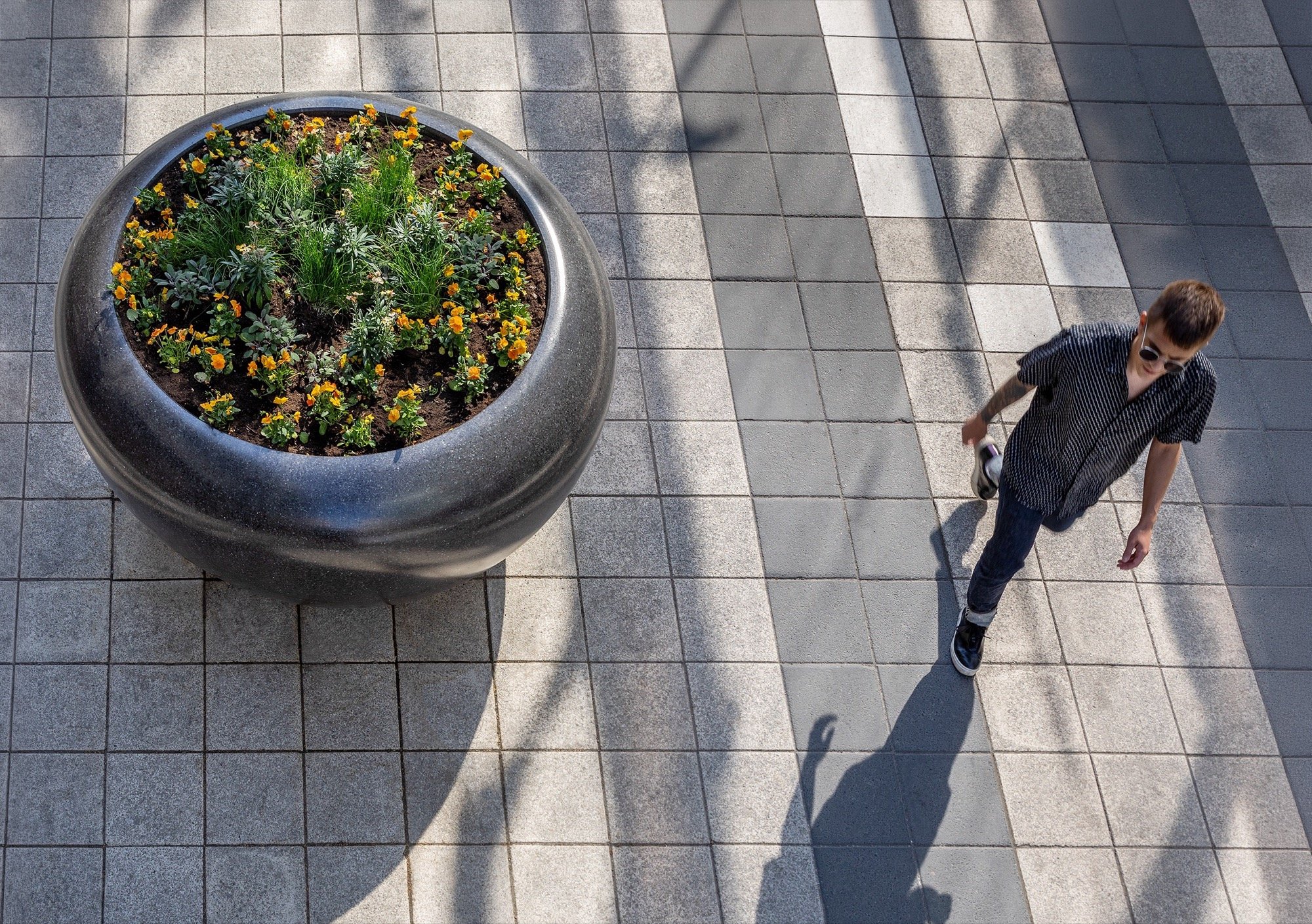
This idea is at the heart of Built-In Security, a Swedish guidance report that advocates a more integrated approach to safety in urban environments. Rather than relying solely on dedicated security measures, the report highlights how vegetation, topography, water, distances and built structures can contribute to protection while strengthening the qualities of a place. For landscape architects, these are familiar tools.
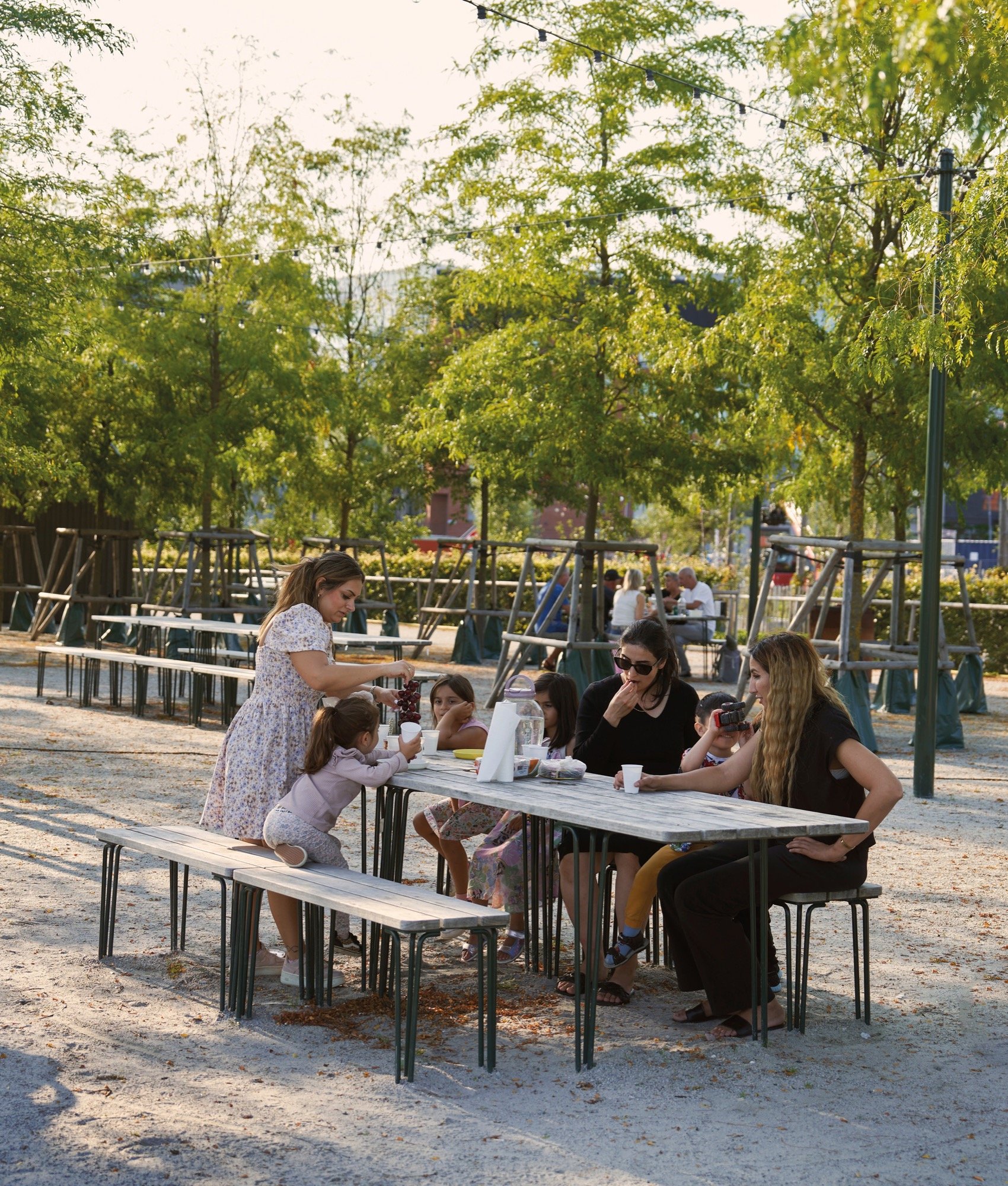
A tree can provide shade, support biodiversity and function as a natural barrier. A terraced landscape can improve accessibility, create places to sit and help guide movement through a site. Water can contribute to identity, stormwater management and spatial definition at the same time.
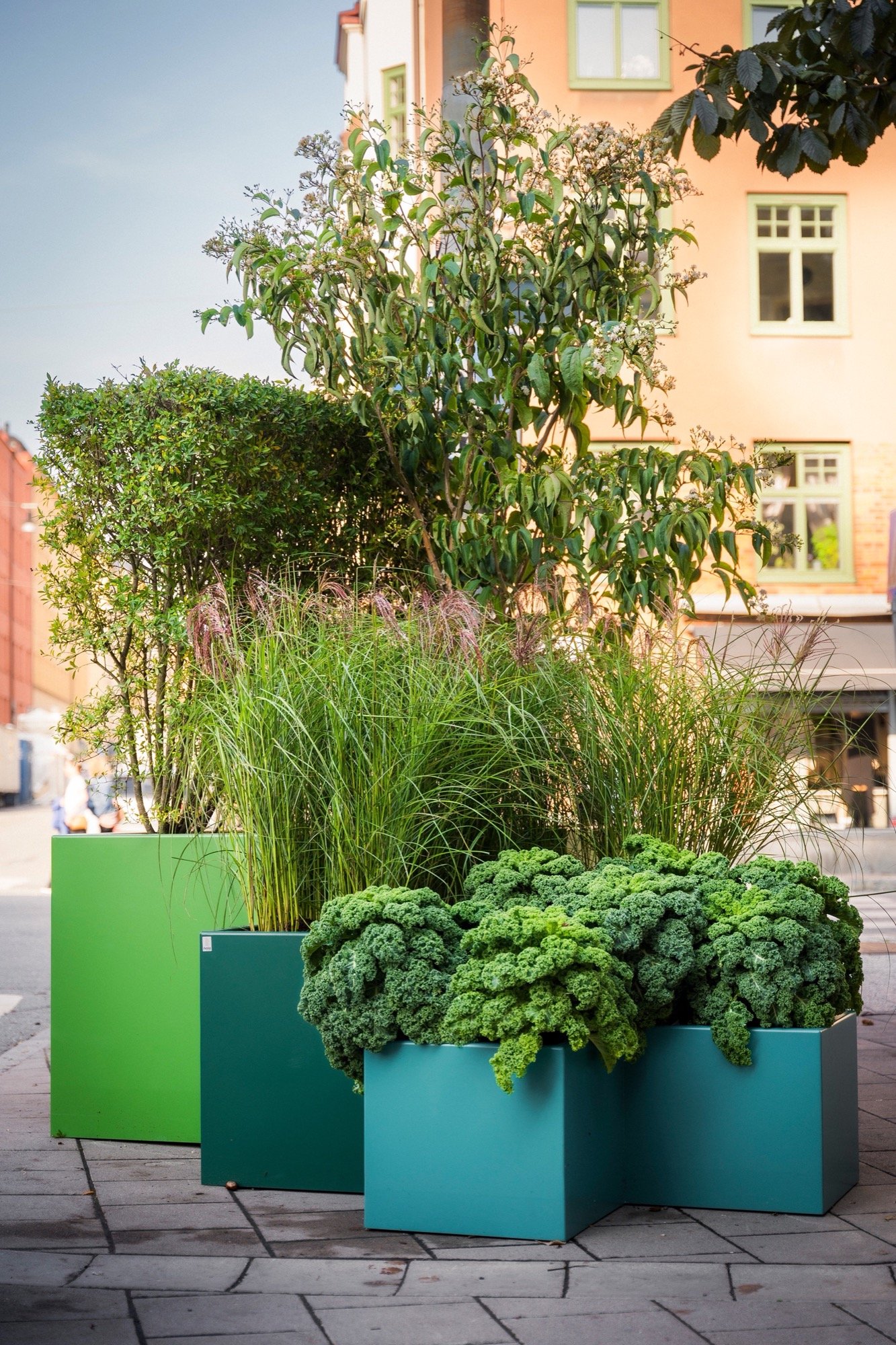
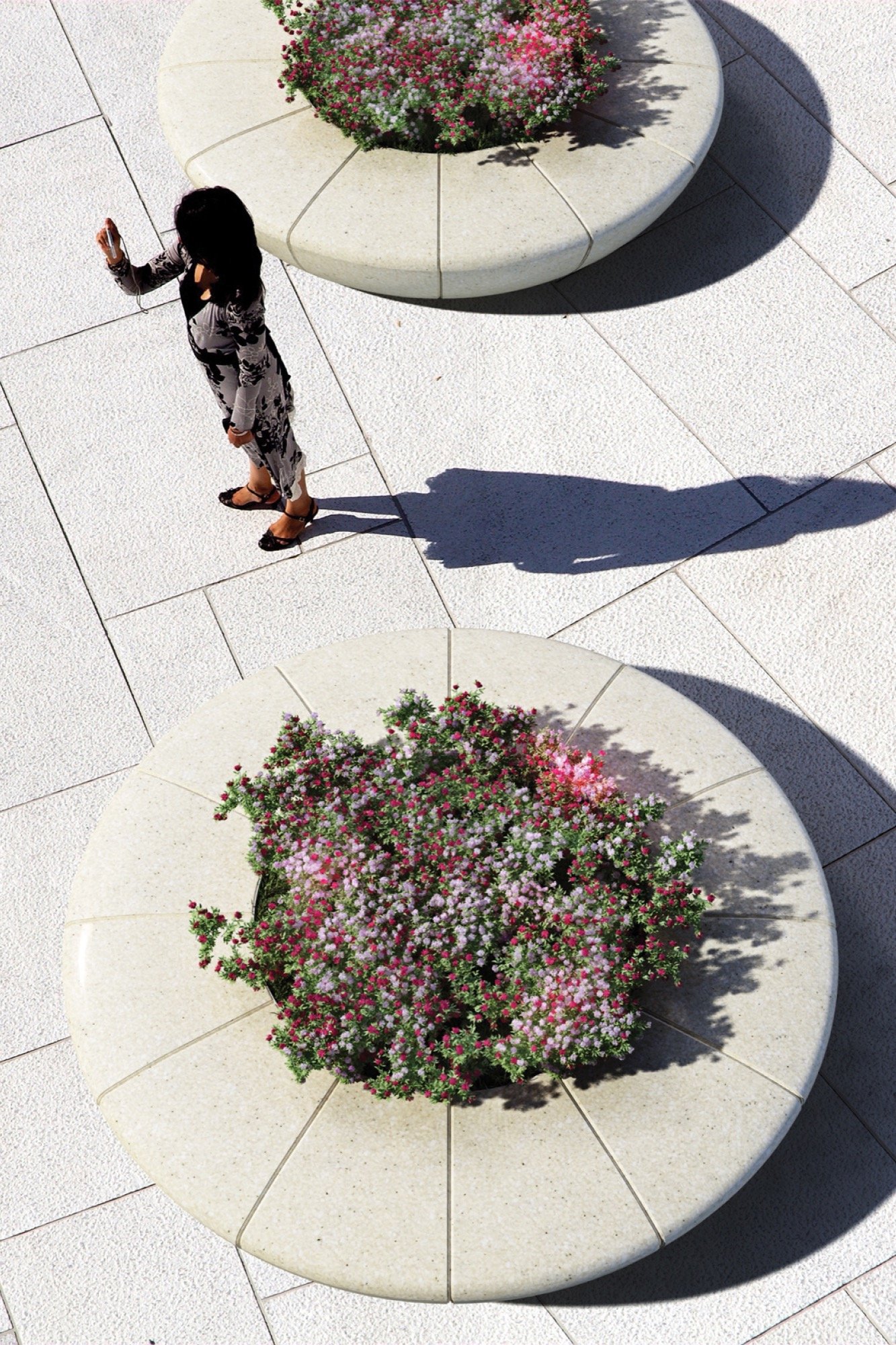
The common denominator is multifunctionality. Instead of introducing new objects, existing elements are asked to do more. For Nola, the discussion is not primarily about security objects, but about how urban furniture, landscape and architecture can work together to support several functions at once.
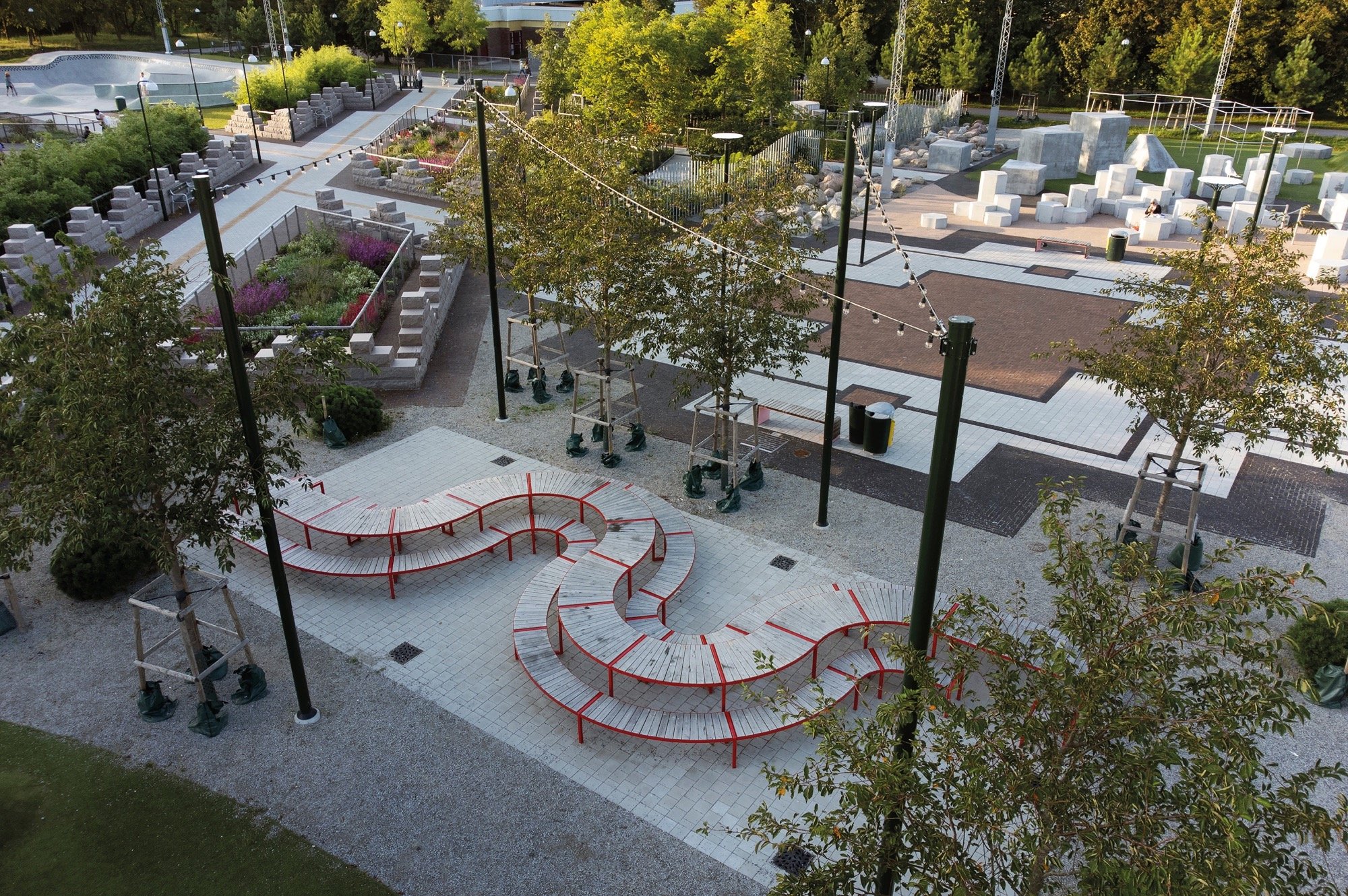
This principle can be seen in projects where safety is integrated into the overall landscape strategy. In Krokbäcksparken in Malmö, vegetation, topography and built structures work together to create a sense of enclosure around Långbordet, using greenery rather than hard barriers to define and protect the space. On Drottninggatan in Stockholm, Bellitalia’s Marte planters act as traffic barriers while simultaneously introducing planting and spatial structure. At Stenpiren in Gothenburg, a gravelled public area furnished with Four Seasons and Low Bed creates a destination while also functioning as a natural buffer between people and traffic.

Considering safety early in the process is not only a design question but also a practical one. When security requirements are integrated from the beginning, they can become part of the landscape itself rather than additions that compete with existing infrastructure and spatial intentions.
The safest public spaces are not necessarily those with the most visible security measures. Often, they are the places where landscape, furniture and urban form work together to create environments that are open, legible and resilient.
As cities continue to adapt to new security challenges, the question is not how many barriers can be added, but how landscape, architecture and urban furniture can work together to create places that remain open, accessible and alive.

